July 27, 2026 · 5 min read
Redirect Chains: The Hidden Cost of Too Many Hops
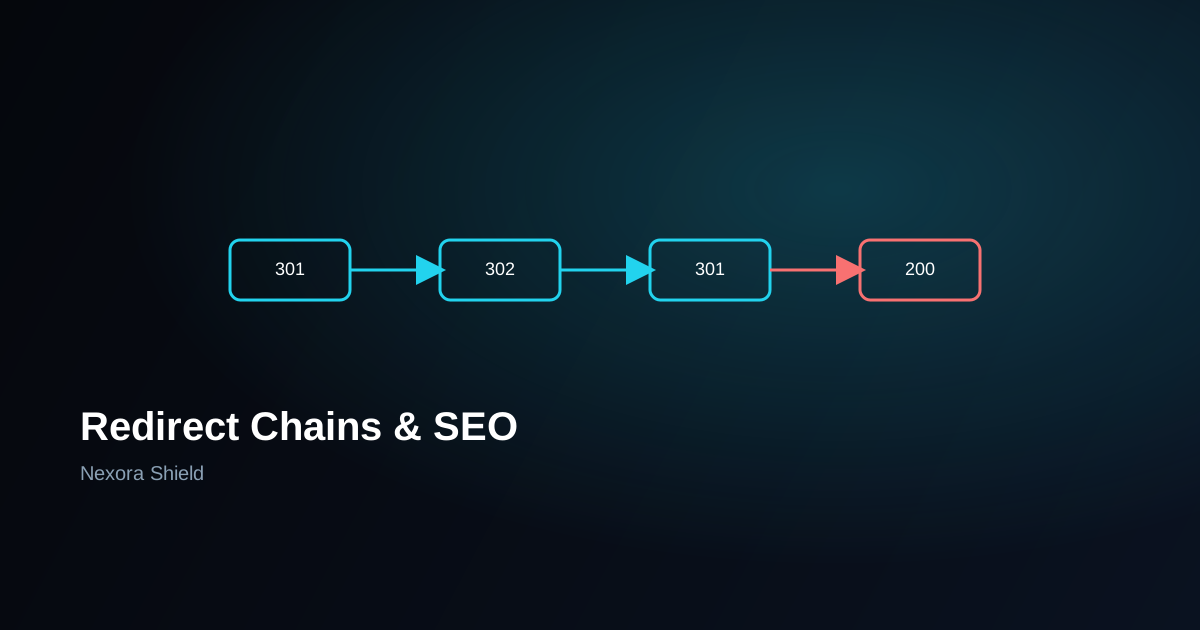
Redirects are a normal, healthy part of running a website — pages get renamed, sites migrate domains, URL structures change. The problem isn't redirects themselves; it's when they stack up into long, unnecessary chains nobody ever cleaned up.
How Chains Form Over Time
A page moves once, gets a redirect. It moves again during a later redesign, gets another redirect pointing at the first one instead of the final destination. Repeat this a few times over a couple of years and you end up with a visitor's browser bouncing through four or five hops before reaching real content.
The Performance Cost
Each hop in a redirect chain requires a full round-trip to the server before the browser even knows where to go next. On a slow connection, a five-hop chain can add a full second or more of delay before the actual page starts loading — directly hurting Core Web Vitals.
The SEO Cost
Search engines will follow a reasonable number of redirects, but long chains dilute link equity passed between pages and increase the chance Google simply gives up partway through, treating the final destination as unreachable from that particular link.
Trace a Redirect Chain
Nexora Shield's Redirect Chain Checker follows a URL through every hop and flags loops, excessive redirects, or a chain that insecurely dips through plain HTTP along the way.
Ready to check your own website?
Run a Free ScanRelated Articles
 Privacy
Is Your Email Address Safe? How to Check if It Has Been Leaked in a Data Breach (2026 Guide)
Learn how to check whether your email address has been exposed in a data breach, understand the risks, and follow practical steps to secure your online accounts
 Phishing & Malware
I Clicked on a Phishing Link — What Should I Do? (Complete Recovery Guide 2026)
Accidentally clicked a phishing link? Learn exactly what to do if you entered your password, downloaded a file, or shared banking information. Step-by-step reco
 Network Security
SSL Certificate Checker: What Is SSL and Why Every Website Needs It
Search engines generally prefer secure websites, making HTTPS an important best practice for both security and user trust.